
From the newsroom to e-commerce, from supporting users to building teams and managing payment, shipping, and order confirmation operations. This is the story of my professional journey at YouCan, from November 2019 to July 2024, and what those years taught me about people, technology, and building a business.
One night in 2021, YouCan was experiencing another service outage. Online stores were unavailable, the technical team was working to restore the platform, and some merchants were still spending money on advertising campaigns.
For the developers, it was a technical problem that needed to be diagnosed and fixed. For merchants, it meant paying for ads that directed potential customers to stores they couldn’t access.
For those of us responsible for customer support and communication, there was another challenge: What should we tell these people? When should we tell them? And how could we explain the situation without making promises we weren’t sure we could keep?
Some merchants had enough experience to understand technical outages. Others were taking their first steps in e-commerce. Some had invested their savings, while others had entered the industry with limited budgets, convinced that launching an online store and running a few ads would be enough to start making money.
For them, an unavailable store wasn’t simply a technical inconvenience. It was a genuine source of anxiety about their money and, sometimes, the future of their small business.
I remember those nights clearly. Not because technical failures were unusual in the technology industry, but because they taught me something I would carry throughout my career: behind every technical issue are people whose circumstances we don’t always understand, and decisions made inside an office can have real consequences for their lives.
But my journey with YouCan had started almost two years earlier, under very different circumstances.
From the Newsroom to an Unfinished Product
In late 2019, I was preparing to close a chapter of my professional life after several years in Moroccan media organizations, most recently at Hespress, where I led the video journalism team.
Leaving journalism wasn’t an easy decision.
I had spent years learning the profession, leading editorial teams, and working in the demanding environment of daily news production. But I had reached a point where I felt I needed a different professional environment and an opportunity to learn something new.
Around that time, Mohamed El Ghissani, with whom I had previously worked in the media industry, contacted me about a technology project he was developing with his partners, including Mohamed Baabit, widely known as Simo Life.
The project was called YouCan.
At the time, YouCan was nothing like the platform people would come to know. Development was still underway, and the team was preparing for a public launch in early 2020.
Mohamed explained the idea and invited me to join the project to help build its content, user communication, and customer support functions.
There was no established department waiting for a new manager. No large team with clearly defined responsibilities. There was a platform under development and a long list of unanswered questions.
How would we introduce it to users? How would we help them understand its features? And who would communicate with them when things inevitably went wrong?
I decided to take the opportunity.
I wasn’t an e-commerce expert at the time. I brought my experience in journalism, content, and team management into an unfamiliar industry that required an entirely different understanding of products, customers, and technology.
I started by testing the platform, creating online stores, exploring its features, and preparing introductory content in Arabic, French, and English, with colleagues supporting content in other languages.
At the same time, I began looking for people who could help build the first content and support teams.
I was learning how the platform worked while figuring out how to explain it to others.
The Launch That Changed Our Expectations
On January 14, 2020, YouCan launched publicly.
The level of interest exceeded our expectations.
Simo Life’s established presence among people interested in e-commerce and digital marketing helped attract a large number of users eager to discover and test the platform.
I still remember something Mohamed El Ghissani said as we watched the response:
“Where did all these people come from?”
It was an exciting and overwhelming moment.
On one hand, the enthusiasm suggested there was genuine demand for the platform. On the other, YouCan was still in its early stages. Features needed improvement, problems needed fixing, and users expected fast answers and reliable solutions.
We had just launched a product, but many users were already treating it as a fully mature service.
Our first customer support solution was surprisingly simple: an email address connected to Google Groups.
Messages arrived at support@youcan.shop, and we tried to read, categorize, and answer them. Meanwhile, I was also responding to comments and private messages across social media, particularly Instagram and Facebook.
We didn’t have an advanced ticketing system or a documented procedure for every situation. Many issues were things we were discovering for the first time through user feedback.
That was the beginning of one of the most important experiences of my time at YouCan: building a customer support operation capable of growing alongside a technology product without losing the human element.
Customer Support Is More Than Answering Tickets
It’s easy to tell a support agent to respond as quickly as possible.
But what happens when the agent doesn’t understand the problem? What if the customer is angry? Or when the issue is technical and the support team has no authority to fix it?
I believed the first step was understanding the person behind the message, not just reading the message itself.
Some users described their problems precisely. Others sent angry messages with very little useful information. Many genuinely wanted the platform to succeed but struggled to express their frustration calmly.
I learned to distinguish between anger and the actual problem.
A merchant might be furious because their store is unavailable, but what they’re really afraid of is losing their advertising budget. Another might complain aggressively about a delayed payout without understanding the verification process.
Sometimes, the person didn’t need an immediate technical solution as much as they needed someone to explain what was happening.
From the beginning, I emphasized personalized communication rather than relying entirely on generic automated responses.
As the number of requests increased, we gradually moved to Zendesk and developed a more structured system for categorizing tickets, tracking issues, and escalating technical problems.
I helped recruit and train a five-person customer support team.
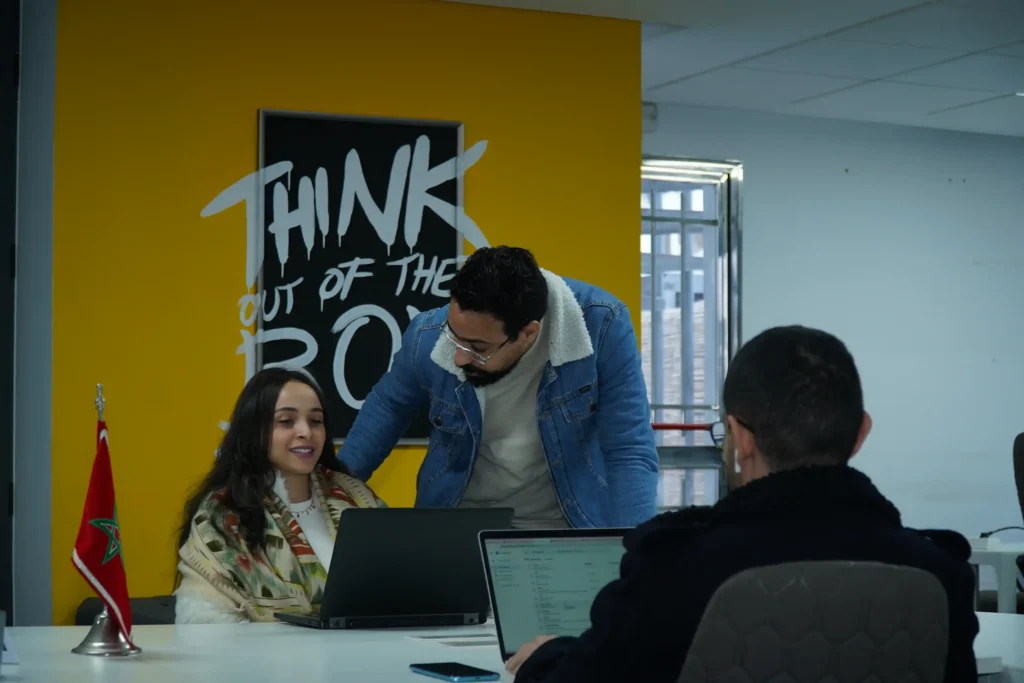
When hiring, I often preferred candidates at the beginning of their careers who were motivated to learn, even if they had little experience in e-commerce.
I wasn’t always looking for someone who already knew everything. I wanted people who were curious, willing to ask questions, ready to experiment, and prepared to take responsibility for their work.
Training involved much more than learning Zendesk or writing professional responses.
Team members needed to understand e-commerce itself: how merchants created stores, connected advertising campaigns, managed orders, and used the platform.
They also needed to learn how to document technical issues.
A user might simply report that a payment button wasn’t working. But that statement alone wasn’t always enough for a developer.
We needed to identify the steps leading to the issue, reproduce the problem when possible, understand the conditions under which it occurred, and communicate the findings through tools such as Slack and Jira.
When the technical team reported that an issue had been resolved, I would often test the same scenario again before considering the matter closed.
Customer support gradually became more than a communication channel. It became a connection between users and the people building the product.
On a typical day, our team handled approximately 150 to 200 tickets. During peak periods, that number could rise to 300 or 400.
We never achieved true 24/7 coverage. Instead, we organized shifts that generally covered the period from 9 a.m. until midnight, Morocco time, reflecting the fact that most of our users were based in Arab markets such as Morocco, Algeria, and Egypt.
The experience taught me that hiring people isn’t the same as building a team.
A functioning team needs shared knowledge, clear processes, and the ability to recognize when to make a decision and when to ask for help.
When Stores Go Down but Advertising Keeps Running
YouCan’s early years came with significant technical challenges, particularly as the platform grew and more merchants started using it.
During 2021, we experienced difficult periods of recurring service disruptions, some of which we understood at the time to be associated with distributed denial-of-service attacks, commonly known as DDoS attacks.
The technical team worked hard to restore services, sometimes continuing late into the night.
Our challenge was different.
A merchant running advertising campaigns on Facebook or TikTok could continue paying for traffic while their store remained inaccessible.
Every minute of downtime could mean advertising money being spent without the ability to receive orders.
As disruptions became more frequent, we started noticing recurring patterns in when problems occurred, particularly at night, and prepared our communication accordingly.
I coordinated with the technical team and personally contacted some of our largest merchants through WhatsApp to alert them to outages so they could decide whether to pause their advertising campaigns.
At the same time, I was responsible for communication through the platform’s official channels.
It was a difficult balance.
We couldn’t tell users everything was fine while their stores were unavailable. But we also couldn’t promise that services would return within minutes without confirmation from the technical team.
We generally communicated that there were temporary technical disruptions and avoided publishing details or explanations we weren’t prepared to confirm through official channels.
I had considerable independence in making day-to-day communication decisions, while consulting Mohamed El Ghissani on sensitive matters.
But writing public updates wasn’t always the hardest part.
Dealing with inexperienced merchants was.
Between 2020 and 2022, a growing narrative presented e-commerce as an easy way to make money quickly. Many young people were encouraged to enter the industry with minimal resources and the expectation of fast profits.
YouCan’s low initial entry cost made it possible for a wide range of people to launch online stores.
I spoke with merchants who had started with very limited budgets. Some had invested their savings, others had borrowed money, and some were trying to establish a new source of income after losing jobs or struggling with previous businesses.
For these people, a platform outage wasn’t an abstract technical issue.
They could see their advertising budgets being consumed while their stores were unavailable, without fully understanding why.
Some wrote to us in anger, accusing the platform of causing their losses.
I couldn’t always provide the solution they expected. But I tried to explain the situation in language they could understand, help them identify their options, and avoid making promises I couldn’t fulfill.
These experiences convinced me that technical support alone wasn’t enough for people entering e-commerce for the first time.
Sometimes, they needed guidance on how to think about their business.
The Merchant Who Changed His Approach to Selling
One story that stayed with me involved a young merchant from Agadir whose father owned a traditional Moroccan men’s clothing workshop.
The son decided to explore e-commerce by creating an online store to sell the garments his father made.
He launched during Ramadan and initially saw encouraging demand. But once the season ended, orders dropped significantly, and his advertising campaigns stopped delivering the results he had become accustomed to.
He contacted me looking for advice.
Instead of immediately discussing advertising budgets, we looked at the product and how it was being presented.
Traditional Moroccan men’s clothing was generally marketed directly to men and associated with religious occasions such as Ramadan and Eid.
What if we introduced the same product to a different audience, for a different reason?
I suggested testing an approach aimed at women, positioning the garments as gifts for a fiancé or future husband, through concepts such as a “Groom’s Gift Set” or an “Engagement Gift Set.”
We weren’t changing the product. We were changing the perspective from which customers saw it.
I helped him develop the advertising concept, write the script, and plan how the product should be presented on camera.
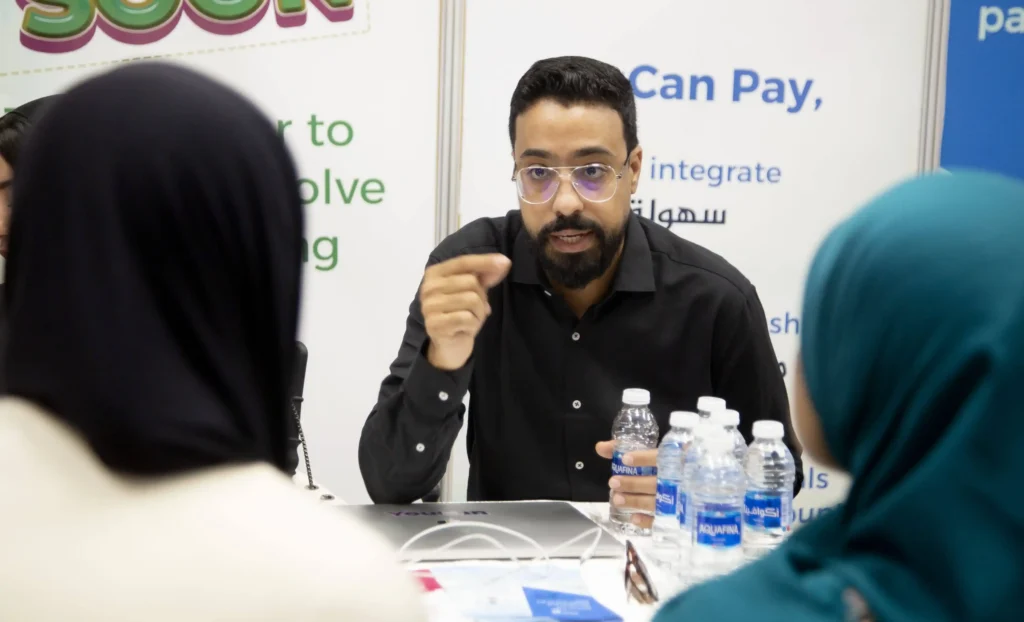
From what I remember of following his progress, the store recorded approximately 300 orders in a single month.
I wasn’t responsible for confirming, delivering, or collecting payment for those orders, so I don’t have figures for completed sales.
However, the merchant told me that the number of orders led his father to bring in two additional people to help at the workshop.
Managing his business wasn’t part of my formal responsibilities at YouCan. This was one of the many conversations I had with merchants who needed guidance beyond the technical features of the platform.
But the experience stayed with me because it reinforced the importance of understanding a problem before proposing a solution.
Sometimes, a merchant doesn’t need a new product.
They need a new way of thinking about the product they already have.
Over time, I used two main approaches to support users: directing them to YouCan Tutorials videos for technical explanations, or organizing individual Google Meet sessions when a situation required deeper attention.
Those conversations expanded my understanding of e-commerce because they exposed me to real business problems that weren’t always visible in dashboards and reports.
From Supporting Users to Managing Financial Risk
As YouCan expanded its services, my responsibilities expanded as well.
One of the most significant areas was YouCan Pay.
My work included reviewing and approving user accounts, examining transactions for potential fraud or violations of service rules, and handling operational approvals related to merchants’ withdrawal and transfer requests.
I found myself facing a different kind of responsibility.
Behind a withdrawal request might be a merchant waiting for funds to purchase new inventory, pay a supplier, or keep their business running.
At the same time, a transaction or account might raise concerns that required further investigation.
In theory, protecting merchants’ funds and protecting the platform sound like straightforward objectives.
In practice, balancing them required careful judgment.
I didn’t want to delay funds belonging to merchants operating legitimately. But approving suspicious transactions without proper verification wasn’t an acceptable option either.
I reviewed accounts and transactions, requested clarification when necessary, and involved the technical team when additional information was required.
For sensitive cases or situations where uncertainty remained, I consulted Mohamed before making a final decision.
I remember one case where the product prices and payment patterns caught my attention.
The products displayed in the store didn’t convincingly explain the transaction activity.
I asked the technical team to investigate traffic sources and how customers were reaching the payment page.
The investigation showed that users were being redirected from an external website selling IPTV subscriptions to the store’s payment page.
After reviewing the findings, we concluded that the actual activity didn’t match the products presented in the store and violated the service rules we were enforcing.
The account was closed.
This experience reminded me that good decisions don’t always begin with answers.
Sometimes, they begin with noticing a small inconsistency and asking one more question.
I also learned that suspicion alone shouldn’t be enough to make a decision affecting other people’s money. We needed evidence that could justify the action.
Shipping: When Problems Leave the Screen
Not every problem could be solved through a software update or an account review.
Working with YouCan Ship introduced me to the operational realities of logistics and delivery.
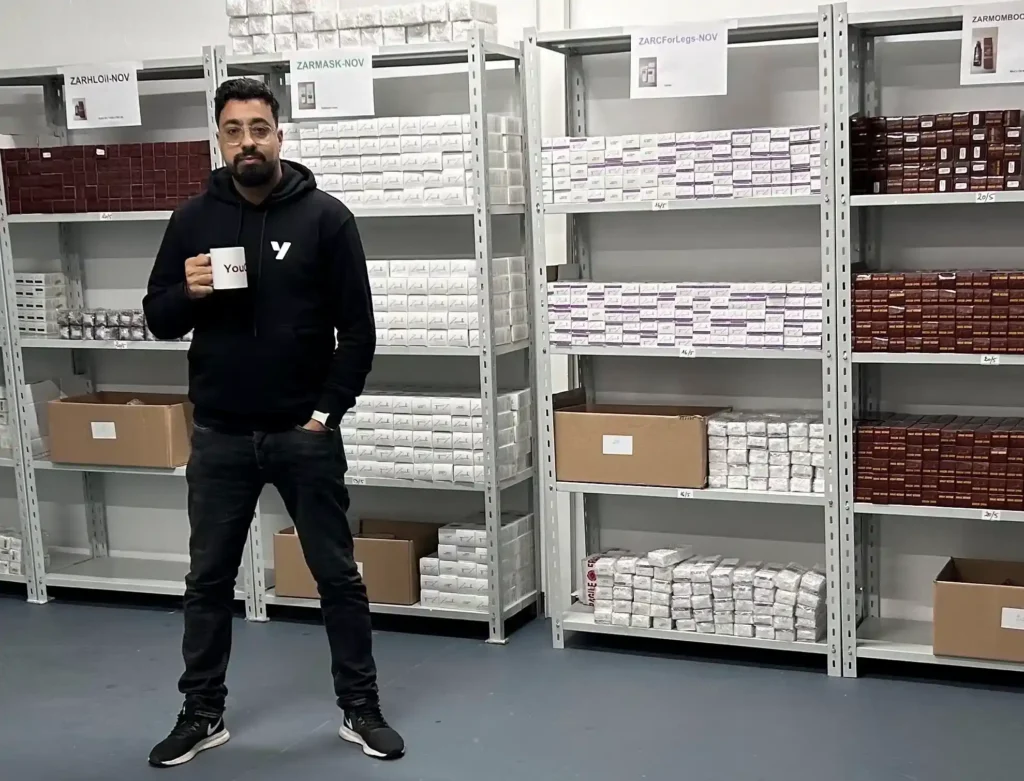
I followed shipments, communicated with merchants and delivery providers, and helped resolve issues involving delivery delays, returns, and service conditions.
I coordinated with five shipping companies, with Tawssil, part of Cash Plus, serving as our main partner at the time.
From the outside, shipping looks simple: a merchant hands a package to a delivery company, and the company delivers it to the customer.
Reality is more complicated.
A package might reach a distribution center and remain there longer than expected. A customer might be unreachable. Or the information available to the merchant might differ from what appeared in the tracking system.
Often, we knew where a package was.
But knowing its location wasn’t enough.
The real question was: who could do something about it?
I worked with shipping providers to establish WhatsApp groups that included distribution center managers across different cities.
Once we identified where a package was located, we could contact the relevant person directly, clarify the situation, and look for a practical solution.
There were also commercial and operational issues to manage, including shipping prices, return conditions, and differences between agreed terms and actual service delivery.
I participated in discussions and negotiations with provider representatives, while reviewing final agreements with Mohamed before they were approved.
This stage taught me that building a reliable service isn’t only about the platform customers interact with.
It’s also about the relationships, processes, and people connecting the platform to the outside world.
Knowing where a package was located was the beginning of the process. Solving the problem usually meant knowing who could intervene and how to reach them.
YouCan Confirm: Building a Team Around a Recurring Problem
While following shipping operations, we repeatedly encountered problems involving order confirmation and communication with customers.
Sometimes a customer had placed an order but no longer remembered the details. Sometimes they didn’t answer the phone. In other cases, they refused delivery because the product wasn’t what they expected.
This led to the development of YouCan Confirm, a service focused on contacting customers to confirm and follow up on orders.
We started with a four-person team, separate from customer support.
I recruited and trained the team members, distributed responsibilities, and monitored day-to-day performance.
At the same time, I worked with the technical team to define requirements for the calling platform and test the features being developed.
Among the capabilities I focused on were calling customers directly from the platform and recording conversations so they could be reviewed when necessary.
I listened to selected recordings to assess how clearly agents communicated, whether they followed our guidance, and how they handled objections.
I then provided feedback and adjusted scripts based on recurring situations.
One common challenge was customers asking to open packages before accepting delivery.
Some merchants opposed this because an opened product might be returned in a condition that made it difficult to sell again.
I didn’t think the solution was simply to persuade customers to accept deliveries at any cost.
Instead, I focused on improving the clarity and honesty of the product descriptions used during confirmation calls.
Customers needed to understand what they were going to receive before the delivery agent arrived.
The principle was simple:
What the customer finds inside the package should match what we described during the call.
Through daily monitoring, we observed fewer rejected deliveries and complaints after improving how products were explained.
However, I don’t have precise figures to measure the change or isolate the contribution of the scripts from other factors.
YouCan Confirm initially operated as an optional service. Later, it was integrated into an offering that combined order confirmation and shipping.
From what I remember of that period, one historical offer combined shipping and call center services for MAD 35 per successfully delivered package within Morocco, with return conditions varying by shipping provider.
Those were historical commercial terms, not a description of the services or prices available today.
What mattered most to me was how the service developed.
It didn’t begin with a large team or a complete operating system.
It began with a recurring problem, followed by an attempt to build a reliable way of addressing it.
The Content I Wrote Started With the Questions I Heard
Despite the expansion of my responsibilities, content remained a central part of my work throughout my years at YouCan.

In the beginning, I wrote website pages, help center articles, user communications, social media posts, and scripts for educational videos.
Arabic was my main area of specialization, while colleagues supported content in other languages.
As more people joined the team, I began coordinating writing and production tasks, reviewing work, and providing feedback before publication.
The work covered written content, social media, and audiovisual production.
But what influenced my writing most wasn’t the number of posts or videos we produced.
It was direct contact with users.
A question repeatedly appearing in customer support might mean a help center article was missing important information.
A problem that was difficult to explain might reveal that we needed a simpler way of presenting a feature.
I came to see customer support messages as a valuable source of insight into what we needed to explain, rather than simply issues to be closed.
For YouCan Tutorials, I helped write and prepare educational videos explaining how to use the platform, and I personally recorded several tutorials.
I also wrote a document titled The Story of YouCan: The Platform That Inspired Arab Youth, an attempt to bring together the project’s history and present it as a single narrative based on our experience and perspective at that time.
Writing became a way for me to understand the product as much as a way to explain it.
If I couldn’t explain something simply, perhaps I didn’t understand it well enough yet.
When Responsibilities Grow Beyond Job Titles
During my years at YouCan, I worked across different projects and services, sometimes simultaneously.
I didn’t always have a single job title that accurately described everything I was doing.
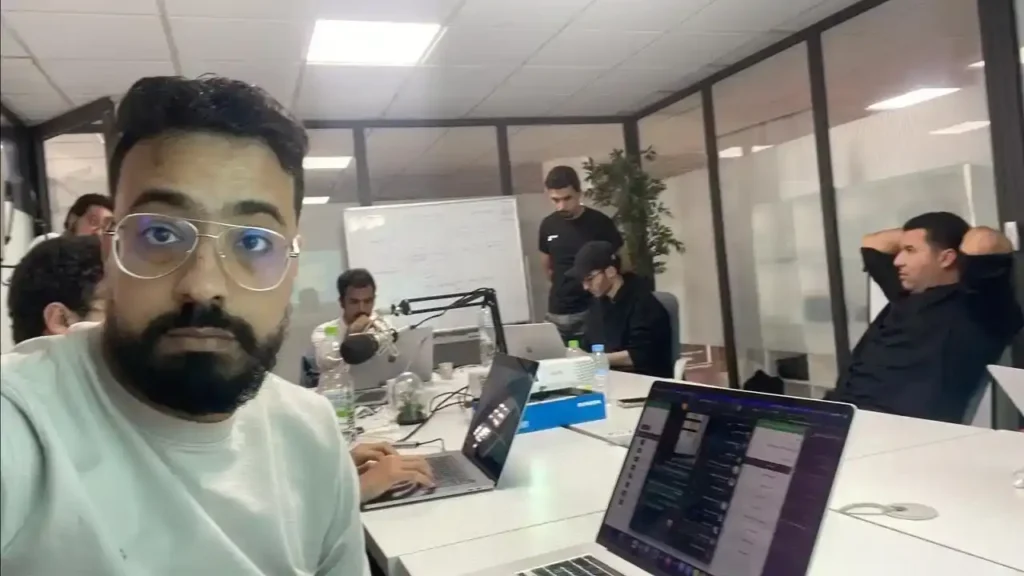
On any given day, I might start by investigating an issue with a merchant’s account, contact a shipping provider about delayed packages, discuss a new feature with developers, review content for an educational video, and then return to team management or a meeting with a merchant.
Many of these responsibilities were unfamiliar to me when I started.
I learned to review transactions, deal with shipping issues, negotiate with service providers, build teams, test products, and manage operational processes alongside my original work in content and communication.
Mohamed El Ghissani was an important point of reference throughout much of this journey. I discussed projects and sensitive decisions with him, learned from his experience, and coordinated execution with colleagues depending on the nature of the work.
Not every idea worked the first time.
Not every problem had a quick solution.
We learned through experimentation, daily communication, and repeatedly revisiting problems until we understood them better.
Over time, I also began to understand that taking on more responsibility didn’t mean trying to do everything myself.
I needed to explain, delegate, follow up, and give others room to learn and take ownership.
If an entire operation depends on one person knowing every detail, that person’s absence can quickly become a problem for everyone.
That became one of the most important lessons I took from building teams.
What I Took Away From YouCan
When I joined YouCan in November 2019, I came from journalism.
I knew how to work with news, content, and editorial teams.
But I knew relatively little about e-commerce or the daily realities of payment operations, shipping, and order confirmation.
Over the following years, I faced problems I had never learned to solve in a newsroom.
I learned to look at issues from the user’s perspective, understand what developers needed to resolve technical problems, balance speed with verification, and handle responsibilities that directly affected people’s money and businesses.
I also learned that behind the numbers displayed on dashboards are stories we rarely see.
Behind a withdrawal request might be a merchant waiting for money to keep their business running.
Behind a delayed shipment might be a customer wondering why their order hasn’t arrived.
Behind an angry message might be someone who invested part of their savings into a business they’re not yet sure will succeed.
And behind every service that works reliably are people learning, collaborating, correcting mistakes, and making countless small decisions that rarely receive attention.
My experience at YouCan wasn’t a continuous success story, nor was it a series of decisions that always turned out to be right.
It was years of work, learning, and dealing with problems that evolved as the platform grew.
Looking back, I realize that the most valuable thing I gained wasn’t simply the ability to use new tools or manage different services.
It was the confidence that I could enter an unfamiliar field, understand its complexities, learn from people who knew more than I did, and gradually take on greater responsibilities.
I still believe that mastering a skill requires patience and a genuine willingness to learn.
But I also believe that building a team or a service doesn’t end when you know how to do the work yourself.
Real progress begins when knowledge becomes shared, responsibilities become clear, and the work can continue without everything depending on a single person.
Perhaps that’s why, whenever I see a new order appear on an online store’s dashboard today, I don’t think only about the product, the customer, or the amount.
I remember everything I learned about the people, teams, and decisions working behind that screen.