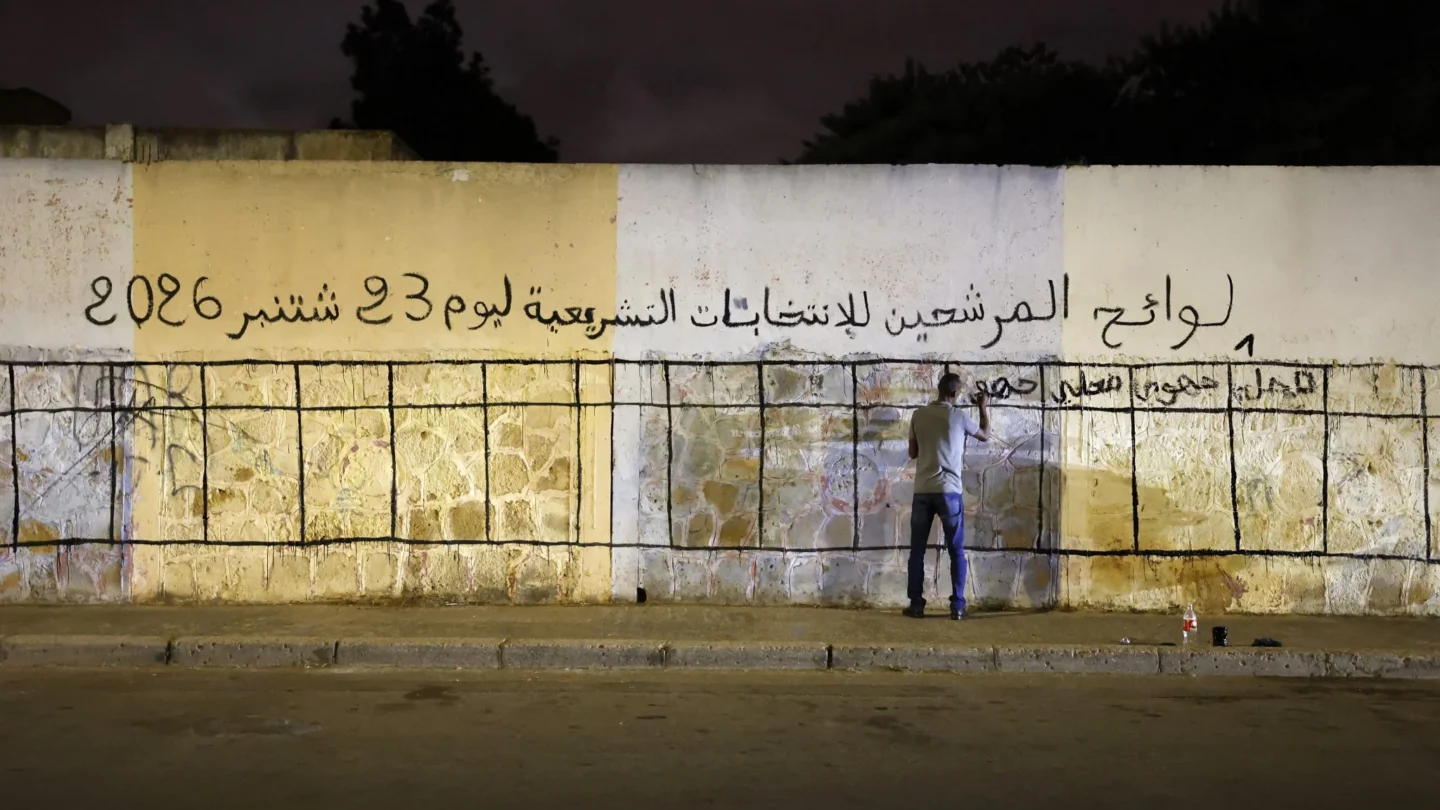
I just put my phone down after reading yet another election program. I honestly can’t even remember the name of the party at the top of the page. But I can easily guess the buzzwords written underneath: employment, healthcare, education, purchasing power, and dignity.
For a second, I felt like I’ve known this exact text since I was a kid.
It reads exactly like a 5th-grade essay where a kid writes passionately about his hobbies—collecting stamps and swimming. He talks about receiving letters from far-away countries and the joy of jumping into the pool every Sunday morning. Then you find out he has never received a physical letter in his life, and the only pool he’s ever seen was a picture on his notebook cover.
Don’t get me wrong, Morocco absolutely needs jobs, healthcare, and education. I just doubt how easy it is to write those words compared to how hard it actually is for a young person to find a job, for a patient to leave a hospital actually cured, or for a family to feel good about what their kid is learning at school.
This is the first time I’ve reached the campaign season without a clue who I’m voting for.
I started voting in 2007 and have participated in four parliamentary elections since then. Every time before this, I went into the campaign pretty much knowing who I’d choose. Maybe I trusted a specific name, or felt closer to a certain party. I didn’t need a poster on a street light to convince me that the guy on it suddenly cares about our neighborhood.
But now? I look at the names and I don’t feel reassured. I read the party names and remember what they said before, what they actually did when they had the chance, and the excuses they made when things didn’t go as promised. So, I end up back at square one: Okay, who gets my vote?
A friend told me he never wants to hear the word “program” again. Another asked me about the candidates in his district, and I realized I could talk for hours about the faces we see on TV, but I know next to nothing about the actual person whose name will be on my ballot. Even quick chats with coworkers and neighbors end with the same question. We don’t agree on a party, but we definitely agree on being confused.
Despite all this, staying home on September 23 isn’t an option for me.
I know why boycotting sounds tempting. You can just say, “None of them deserve it,” and end the conversation in five seconds. But I refuse to give up my right to choose that easily, only to complain later that others chose my representative for me. That’s just my personal belief. I’m not claiming one ballot will fix Moroccan politics, nor am I saying everyone who boycotts simply doesn’t care. Maybe they just ran out of patience before I did.
The problem is, deciding to vote means I have to do homework I never had to do before: researching who to vote for when no one actually convinces me.
I opened the materials published by the parties. The RNI talks about “dignity and opportunities for everyone.” That’s nice. But before we talk about the next few years, I want to understand their years leading the government:
What actually improved like they promised? What didn’t? Then there’s PAM promising a million net jobs, and Istiqlal putting anti-corruption and purchasing power in their program. Both were in the government too, so it’s hard for me to read their new promises like it’s the first time we’re meeting.
I moved on to the opposition parties. The PPS talks about jobs and industry. The USFP puts fair development and dignity on the front page. The PJD has a program focused on education, health, and cleaning up politics.
I’m not saying their programs are exact copy-pastes; there are real differences. But my problem starts when the similarities in their words become easier to find than a clear answer. If a party promises jobs, I want to know:
What kind of jobs? What’s the salary? In which city? If they promise a better hospital, I want to know what they’ll do when the doctor, nurse, or patient realizes a new building isn’t enough. And if they promise to fight corruption, they need to explain what they’ll do when the person benefiting from it is a close ally, not just a political rival who is easy to call out on a stage.
I keep coming back to these questions because reality doesn’t give me the luxury of settling for good intentions. In its latest memo on the job market for 2026, the High Commission for Planning didn’t just show unemployment rates; it showed broader indicators of people who can’t find enough work or are pushed to the margins. So, when I read a huge number about “jobs to be created,” I want to know how it will be measured, who gets them, and what will actually change in that person’s life.
Then comes the hardest part—harder than reading any program: the actual candidate in my district.
I might like a party’s stance on a certain issue, but I won’t find a “stance” sitting in parliament. I’ll find people with names, past behaviors, and track records. Some of them I only know from their campaign posters, wearing the smile of a man who just asked about the price of bread for the first time in his life, and the photographer loved his reaction. I need to know more than that. What did he do before asking for my vote? Can I hold him accountable for these promises after the election? Does he actually know the problems of the neighborhood without reading them off a piece of paper?
Maybe that’s why I feel my confusion this time isn’t a weakness. In the past, I had my answers early. Today, I doubt the easy answers, even my own.
I have a few days left to read, ask around, and compare the actual candidates, not just the slogans. I might not find a name that checks all my boxes. But I want, at the very least, to walk into the voting booth knowing exactly why I picked this person, and what I will hold them accountable for later.
I will go to the ballot box. That part is settled.
As for who gets my vote, I’m still looking for an answer that doesn’t sound like an essay about swimming written by a kid who has never seen the sea.